
.png&w=3840&q=75)
Seeing a property, liking it, finding the keys with the seller, or hearing “This home is mine” does not mean that everything is legally in order.
Before a purchase, the following questions need answers:
- Does the seller truly own the property?
- Does the seller have legal authority to sell it?
- Is the property subject to a mortgage, attachment, injunction or another legal encumbrance?
- Do the title records match the property shown to you?
- Have unauthorised alterations been made to the building or apartment?
- Is the property’s use lawful?
- Could a third party assert rights over the property after purchase?
Title and legal due diligence is carried out to answer these questions before the transaction takes place.
What Is Title Due Diligence?

Imagine that you have travelled from Turkey to Greece and are shown an attractive apartment priced at €250,000. You like the location, the building looks good, the apartment has been renovated, and the sales representative says:
“Don’t miss this opportunity—other buyers are interested too.”
Your first step should not be to transfer money. One of the first steps should be to say:
“Let’s review the legal status of this property.”
During due diligence, your lawyer—and other specialists where necessary—reviews the property’s history and current legal position through official records. The purpose is simple: to ensure that the property you are buying is genuinely the property you have been told about.
1. Who Is the True Owner?
This is the first point to check. The person showing you the property may not be its legal owner.
A property may be:
- Owned by one person
- Jointly owned by spouses
- Owned by multiple siblings
- Inherited by several people
- Owned by a company
- Offered for sale through a power of attorney
The first question should therefore be:
“In whose name is this property registered?”
An explanation such as “I inherited this home from my father, so it is already mine” is not enough. Inheritance procedures must have been completed, and the seller’s authority to sell must be confirmed through official records.
2. Does the Seller Actually Have Authority to Sell?
A person’s connection with a property does not always mean that they can sell it independently.
For example, a property may have three owners, but only one may contact you and say, “It is our family home; I am selling it.” It is not prudent to proceed without reviewing the position of the other rights holders.
If the sale is taking place through a power of attorney, the scope of that authority should also be checked.
The question is not only “Who is the seller?” but also:
“Does this person have the legal authority to sell this property?”
3. Is There a Mortgage on the Property?

A property may have been pledged as security when its owner took out a loan. In that case, a mortgage may exist.
For example, you may be about to buy an apartment for €300,000, but the property is mortgaged to a bank. This does not necessarily prevent a sale. However, the transaction should clearly establish how the mortgage will be released, how the purchase price will be paid and the legal condition in which the property will be transferred to you.
The question is not simply, “Does it have title?” It is:
“Are there any encumbrances or third-party rights recorded against the title?”
4. Are There Attachments, Injunctions or Other Legal Records?
A property may be subject to attachments, injunctions or similar records because of the owner’s debts or ongoing legal disputes.
The aim is to avoid dealing with the seller’s previous legal or financial problems after you have paid for the property. Potential issues should be identified as far as possible before the purchase is completed.
5. Does the Registered Property Match the Property You Were Shown?
Checking the address alone is not enough.
The following information should be compared with official documents:
- Floor
- Independent-unit details
- Surface area
- Ownership share
- Storage area
- Parking space
- Garden, terrace and other appurtenant areas
For example, you may be told that an apartment has private parking. It should be checked whether that parking space is legally attached to the property you are buying.
A space used exclusively by an apartment for many years is not necessarily legally part of that apartment.
6. Do Not Rely Blindly on the Advertised Square Metres
An advertisement stating “120 m² apartment” does not necessarily mean that official documents record the same area.
There may be differences between floor-area figures in advertisements or marketing materials and those in official or technical documents. The official and technical documentation—not the advertisement—should be the basis of your assessment.
7. Are There Unauthorised or Unlicensed Alterations?
An apartment may be beautifully renovated, but that does not mean every alteration is legally and technically compliant.
For example:
- A balcony may have been enclosed.
- A terrace may have been converted into living space.
- A common area may have been incorporated into the apartment.
- Internal walls may have been changed.
- An additional room may have been created.
- Commercial premises may have been converted into a home.
Alongside legal due diligence by a lawyer, an engineer’s inspection can be important. The lawyer reviews legal records, while an engineer can assess the property’s technical and planning status.
8. Is the Property Officially Registered as Residential?
A property containing a bed, kitchen and bathroom is not necessarily registered as a residence in official records.
A property presented as a modern apartment may previously have been registered as an office, shop, warehouse or other commercial premises.
If its use has changed, it should be checked whether the change was completed correctly from a legal and technical perspective. This is especially important for commercial-to-residential conversion projects marketed for Golden Visa purposes.
9. Why Check Cadastral Records?
The cadastre can be thought of as the property’s official identity. These records can help verify the current legal status of ownership and important property details. Greek Cadastre digital record service
Cadastral information should be consistent with the sale documents.
Put simply, if you are shown Apartment A, you want to be sure that you are not legally purchasing Apartment B.
10. Do Not Sign a Sale Contract You Do Not Understand
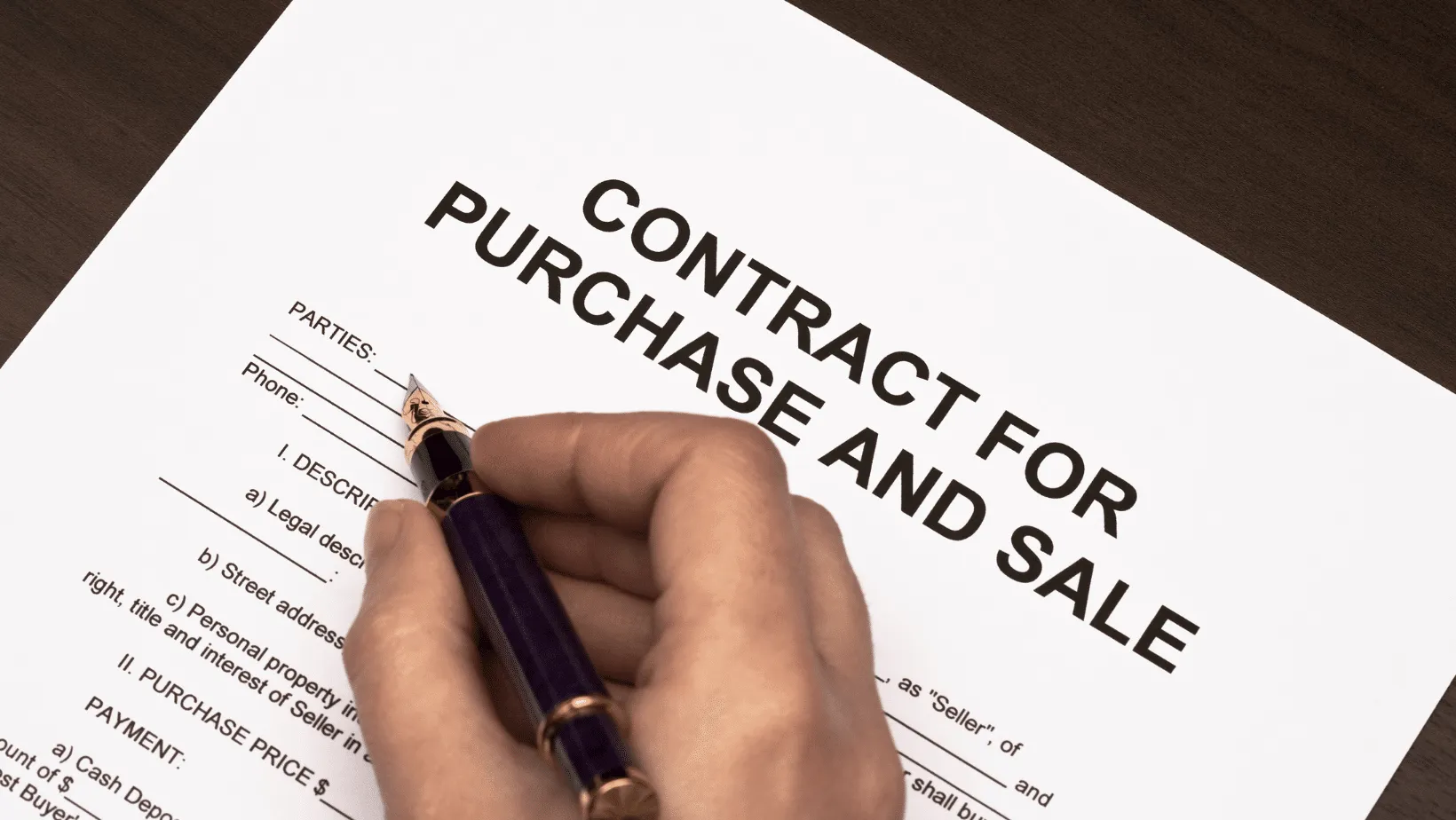
When purchasing property in Greece, you may be presented with documents in Greek.
Do not sign any document you do not understand simply because you are told, “It is just a standard contract.”
The contract should clearly explain:
- The property being purchased
- The true purchase price
- The payment method
- The parties’ obligations
- Handover terms
- Any special conditions
Whether your investment is €250,000, €400,000 or €800,000, you are entitled to understand every clause you sign.
11. What Should You Do Before Paying a Deposit?
After you like a property, you may feel pressured to “send €5,000 immediately before somebody else buys it.”
Before sending a deposit, the following points should at least be clarified in writing:
- Who will receive the deposit?
- Which property is it for?
- Is the payment refundable?
- Under what conditions will it be refunded?
- What happens if legal due diligence reveals a problem?
- What happens if Golden Visa eligibility is not achieved?
- What happens if the seller withdraws?
- What happens if the buyer withdraws?
If due diligence has not yet been completed, the conditions for recovering the deposit should be particularly clear.
12. Pay Attention to Whom You Transfer Money
Property purchases involve substantial money transfers. You should not proceed simply because someone says, “Send it to this account and we will take care of it.”
Before making a payment, make sure you understand:
- Who owns the receiving account
- The legal basis for the payment
- The payment plan in the sale contract
- How the payment will be documented
If you are purchasing for a Golden Visa application, the payment method should also be checked for compliance with the current rules.
13. The Seller’s Lawyer and Your Lawyer Do Not Have the Same Role
Your legal adviser’s role is to protect your interests. The lawyer for the developer, estate agent or seller, by contrast, acts for the party they represent.
For this reason, particularly in high-value transactions, working with an independent legal adviser who represents your interests provides an important layer of protection.
The goal is not to distrust everyone; it is to establish a proper control mechanism.
14. If You Are Told “Golden Visa Guaranteed,” Ask for the Documentation
If a property is presented to you for Golden Visa purposes, do not rely only on verbal explanations.
Ask:
- Which Golden Visa category does the property fall under?
- Which investment threshold applies?
- What is the legal basis of this eligibility?
- Are the required documents ready?
- Can my independent lawyer review them?
For Golden Visa applications, the purchase transaction, payment method and notarial documentation matter. Greek Ministry of Migration and Asylum: Golden Visa documentation
Because conditions and categories can change, current requirements should always be confirmed before proceeding.
15. Be Careful with “This Price Is Valid Only Today” Pressure
Property investment should not be rushed.
The following statements should make an investor more cautious:
- “If you do not pay now, you will lose your Golden Visa opportunity.”
- “There is no need for a lawyer to review it.”
- “Everyone buys this way.”
- “We will show you the documents later.”
It is important not to miss a good opportunity. But missing a poor investment is not a loss.
16. What Should You Know When Due Diligence Is Complete?
By the end of the review, you should be able to answer:
- What exactly am I buying?
- Who owns the property?
- Does the seller have authority to sell?
- Are the title and cadastral records consistent?
- Is the property subject to a mortgage or other encumbrance?
- Are there technical or planning issues?
- Are all areas shown to me legally part of the property?
- What is the true total cost?
- How will payment be made?
- If relevant, is the investment suitable for the applicable Golden Visa category?
- How will my ownership right be registered once the sale is complete?
If important questions cannot be answered clearly, reconsider the position before transferring funds.
17. Is the Process Finished Once the Title Is Issued?
Signing the sale contract is an important step, but keeping an organised transaction file is also essential.
Store the following securely after purchase:
- Sale contract
- Payment evidence
- Tax documents
- Title and cadastral records
- Technical documentation
- Powers of attorney
- Golden Visa-related documents
In Greece’s digital property-transfer process, the notary submits a copy of the contract to the Greek Land Registry. Gov.gr: Transfer your property These documents may be needed later for a sale, inheritance, tax matter, residence permit or other legal procedure.
10 Questions to Ask Before Buying a Home in Greece
- Who truly owns this property?
- Does the seller have authority to sell it?
- Is there a mortgage, attachment, injunction or another right over it?
- Are the title and cadastral records correct?
- What is the actual floor area?
- Are there unauthorised structures or alterations?
- What is the property’s official permitted use?
- What exactly am I paying for, and to whom?
- If I am buying for a Golden Visa, does it qualify under the relevant investment category?
- Have independent professionals acting in my interest checked all of this?
Remember: Trusting and Checking Are Not Opposites
Having documents reviewed does not mean that you distrust the seller, estate agent or developer.
In a professional property transaction, transparency and verification protect both parties. A good seller will not hesitate to show documents. A good adviser will not be disturbed by your questions. A sound project will not fear legal due diligence.
A good investment decision rests not only on an attractive apartment, but on a solid legal foundation.
Conclusion: Check First, Pay Second, Register Title Third
One of the strongest ways to protect yourself when buying property in Greece is to conduct title and legal due diligence before the purchase.
The basic principle can be summarised in three words:
Check first. Pay second. Register title third.
Liking a home is only the beginning of the decision. Once title, cadastral records, ownership, mortgages and other encumbrances, technical status, permitted use, contract terms and payment conditions have been reviewed, you can make a much better-informed decision.
Μιλήστε με έναν σύμβουλο
WhatsAppKosta Arslanoglou
Founder