

Gross Yield and Net Yield Are Not the Same
Consider a simple example.
If a property purchased for €300,000 generates annual rent of €18,000, its gross rental yield is 6% on paper.
But the investor may not actually earn 6%. The overall return can be affected by costs such as:
- Maintenance
- Taxes
- Insurance
- Building service charges
- Property management
- Vacancy periods
- Renovation and repairs
For this reason, a professional investment analysis should look beyond gross yield and focus on net cash flow.
Do Not Forget the Acquisition Costs
The cost of an investment is not only the amount paid to the seller.
In Greece, real-estate transfer tax is generally calculated at 3% of the taxable value and is payable by the buyer. Notary costs, legal work and other transaction expenses should also be included in the investment budget. Greek Ministry of Finance: real-estate transfer tax
Assessing a €300,000 property as though its total cost were only €300,000 may therefore be incomplete.
A more realistic approach is:
Total acquisition cost = purchase price + taxes + notary fees + legal and technical due diligence + other transaction costs
Include ENFIA in Your Calculations
Property owners in Greece also need to consider the annual ENFIA property tax.
ENFIA is an annual property tax calculated from the information declared in the E9 property statement, based on the property’s surface area and specific characteristics. Ownership is assessed as of 1 January each year. AADE: official ENFIA guidance
When building an investment model, therefore, simply calculating “monthly rent × 12” is not enough.
Do Not Assume Zero Vacancy Risk
It is easy to calculate 12 months of rent. But assuming that a property will be rented perfectly for all 12 months, every year, may be an optimistic scenario.
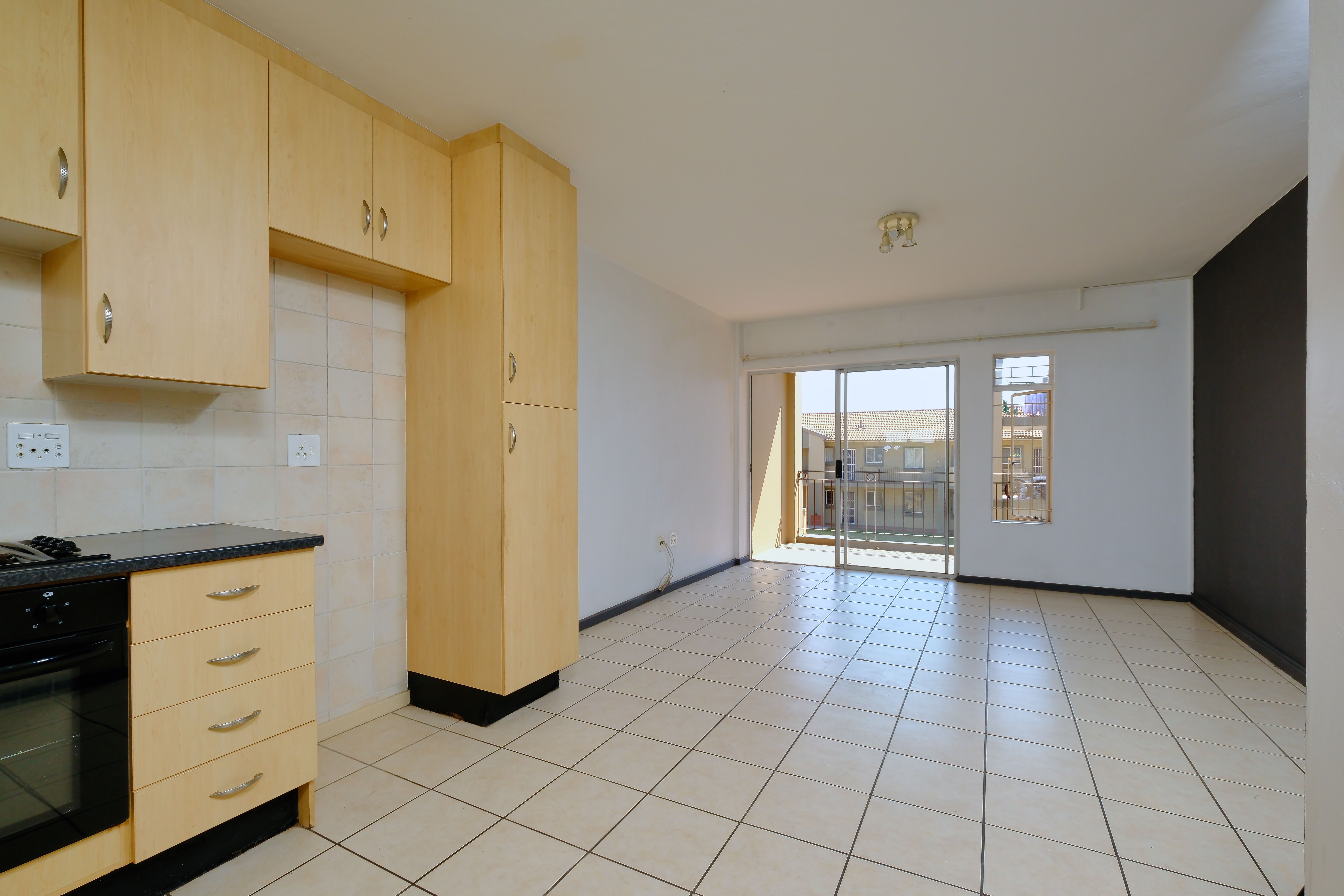
The right question is:
“Is there sustainable demand for this type of property in this area?”
This is where location becomes important again.
Proximity to metro stations, universities, employment centres, healthcare providers and everyday amenities may influence demand from long-term tenants.
However, no area should be assumed to offer uninterrupted rental income or zero vacancy risk.
Rental Yield or Capital Appreciation?
In an ideal scenario, an investor wants both: strong rental income and long-term capital appreciation.
But not every property has the same investment profile.
In some locations, robust rental demand may be the main consideration; in others, long-term capital growth may matter more.
For this reason, a property offering a high rental yield is not automatically the better investment.
According to Bank of Greece data, apartment prices in Athens rose by 5.2% year on year in the first quarter of 2026. However, this is a citywide average—individual neighbourhoods and properties do not all perform in the same way. Bank of Greece: residential property prices, Q1 2026
Past price growth does not guarantee future capital appreciation.
Our Recommendation for Golden Visa Investors
When investing for a Golden Visa, do not look only at the cost of obtaining residence rights.
Model the property as an independent investment:
Total investment cost → estimated net rent → annual expenses → possible vacancy → long-term value → exit scenario
Treat the Golden Visa as an important investment advantage, not as a substitute for the investment’s economic rationale.
Editor’s Note
When a property is presented to you as offering “7% return,” your first question should be:
“Is that gross or net?”
Your second question should be:
“Which costs are included in that calculation?”
Professional real-estate investment is not about choosing the highest-looking percentage. It is about understanding the assumptions behind the number.
Μιλήστε με έναν σύμβουλο
WhatsAppSolomon Advisory